That extra car length at the stoplight. The pedal that travels farther than it used to. The faint groan when you hit the brakes in the rain. If you've noticed your car's stopping power isn't what it once was, you're not imagining it — and the culprit is often hiding right there in your calipers.
Car brake pads don't just wear out; they degrade in ways that silently compromise your safety. This isn't another generic "best brake pads" list. It's a practical guide to understanding what's really happening when your vehicle brake pads fade, how to choose pads that actually stop, and how to avoid the dangerous fakes flooding the market.
The Ceramic vs. Semi-Metallic Debate: What Actually Matters
Walk into any auto parts store or scroll Amazon, and you'll hear the same pitch: "Ceramic pads are quiet and low-dust. Semi-metallic pads bite harder." Both statements are partly true — and partly marketing.
Semi-metallic pads use metal particles (copper, iron, steel) in the friction compound. They typically offer a higher coefficient of friction (μ) — usually 0.38–0.50 — which means more stopping power per pound of pedal pressure. They're excellent for heavy vehicles, towing, and spirited driving. The trade-off: more brake dust (that black coating on your wheels) and more noise as they wear.
Ceramic pads use a ceramic-and-copper compound. They run quieter and produce far less dust — a godsend if you care about keeping your alloy wheels clean. Their friction coefficients sit around 0.35–0.45. For most daily drivers, that's plenty. But here's the catch: cheap ceramic pads often feel mushy because manufacturers dial back the bite to reduce noise. Not all ceramics are created equal.
The real truth: Match the pad to your driving. If you drive a heavier car, tow, or enjoy back-road runs, semi-metallic often delivers more confidence. If you want clean wheels and a quiet cabin, invest in premium ceramic pads — not the $25 special. The compound matters more than the category label.
Quality Brake Pads for Your Vehicle
Friction Coefficients: The Number Your Mechanic Knows (And You Should Too)
That "μ" symbol on the side of the box isn't there for decoration. The friction coefficient tells you how effectively the pad grips the rotor. Higher μ = shorter stopping distance, but also more heat, faster rotor wear, and often more noise.
- μ 0.35–0.42: Typical OEM and budget aftermarket. Adequate for normal driving.
- μ 0.42–0.50: Performance street pads. Noticeably stronger bite.
- μ 0.50+: Track/racing pads. Require heat to work; can be grabby or inconsistent when cold.
The problem: many cheap auto brake pads don't publish a friction coefficient at all. That's a red flag. Reputable brands (Akebono, Hawk, EBC, Brembo, PowerStop) list it. If the listing says "high friction" with no number, be skeptical. When in doubt, stick with brands that specify μ — and when doing your own brake work, our DIY brake pad replacement guides walk you through the job safely.
How to Spot Fake or Inferior Brake Pads
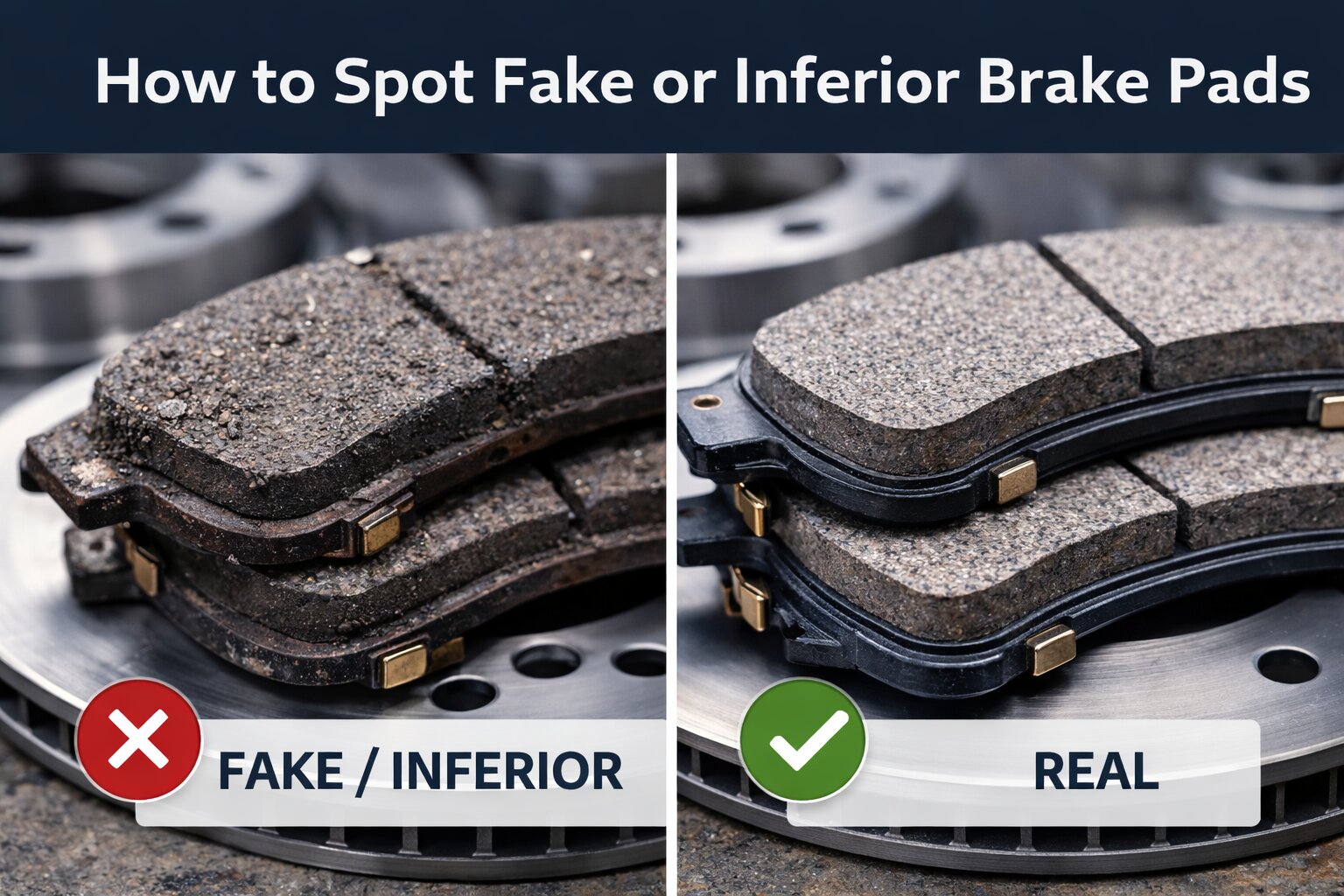 Figure 1: Comparison between a high-quality friction material and a suspicious counterfeit pad.
Counterfeit and off-brand brake pads are a growing problem. They look legitimate, come in convincing packaging, and cost half the price. They also fail when you need them most.
Figure 1: Comparison between a high-quality friction material and a suspicious counterfeit pad.
Counterfeit and off-brand brake pads are a growing problem. They look legitimate, come in convincing packaging, and cost half the price. They also fail when you need them most.
Signs of trouble:
-
Price too good to be true — Genuine pads for a common car (Civic, Golf, 3 Series) rarely cost under $30 for a full set. If it's $15, question it.
-
Vague or misspelled branding — "Akebono-style" or "Brembo compatible" isn't the same as the real thing. Check logos, font consistency, and spelling.
-
No country of origin or certifications — Look for SAE J661 or similar testing marks. Legit pads often list manufacturing location.
-
Inconsistent friction material — Real pads have a uniform, dense surface. Fakes may show air bubbles, rough edges, or uneven coating.
-
Wrong packaging — OEM-style boxes that don't match the brand's current design, or plastic bags with no branding, are suspicious.
Buy from established retailers (Amazon fulfilled, known auto parts chains) and verify the seller. Your life literally depends on these parts. For the tools to do the job right — including caliper piston tools and torque wrenches — our essential European car toolkit guide covers what you need.
Why Stopping Power Fades (Beyond Wear)
Pads don't just get thinner. They can glaze from excessive heat (repeated hard braking, track use without proper pads). Glazed pads feel hard and slick — they've lost their bite. They can also contaminate with oil, grease, or brake fluid from a leak. One contaminated pad dramatically shifts brake balance and can pull the car to one side.
Rotor condition matters too. Worn or warped rotors reduce effective contact. If you're replacing brake pads, inspect the rotors. Minimum thickness is usually stamped on the rotor hat; below that, replace them. Jobs like wheel bearing replacement often require removing the brakes — a good time to inspect everything.
Practical Takeaways
- Choose pad compound based on driving style, not marketing buzzwords.
- Demand a published friction coefficient; skip pads that hide it.
- Avoid deals that seem too good — counterfeit brake pads are a real risk.
- Pair pad replacement with rotor inspection and proper bedding procedure.
Your vehicle brake pads are the last line between you and a collision. Treat them as the safety-critical parts they are. When you upgrade, do it right — and when you install them yourself, follow a trusted guide like our VW GTI brake pad replacement for the step-by-step.